
Effluent Treatment Solutions
Lower-cost sludge dewatering for your ETP, CETP or STP.
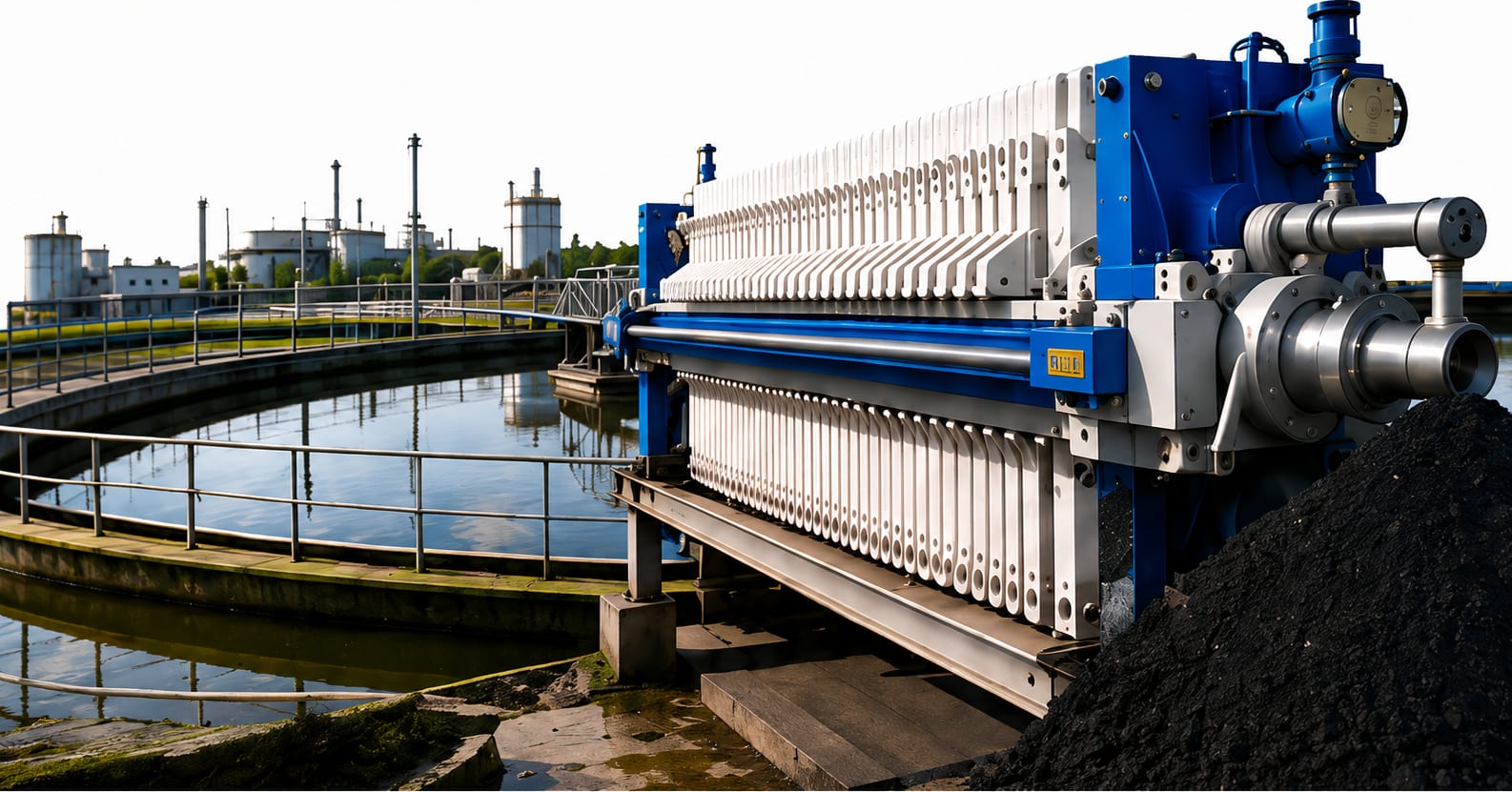
Filtration is at the heart of effective effluent treatment. DFR filter press cloths deliver consistent performance, higher throughput and lower operating cost for sludge dewatering in industrial ETPs, common effluent treatment plants (CETPs) serving whole industrial estates, and STPs.
Water Recovery
Reduced Waste Volume
Lower Energy Consumption
Extended Cloth Life
Sustainable Operations
Three Problems
We Are Asked to Fix.
Cloth blinding on slimy sludge
How our cloth helps
Monofilament and calendered faces shed fine, gelatinous sludge instead of trapping it, so cycles stay fast and wash-downs are less frequent.
Wet sludge cake
How our cloth helps
Permeability matched to your polymer dose and sludge type gives a drier cake: lower disposal weight and handling cost.
Frequent replacement, high cost
How our cloth helps
Economical PP constructions with reinforced necks and edges, priced for the ETP budget and built to last more cycles between changes.
Filtration Application: ETP, CETP & STP Dewatering
Wastewater Collection
Effluent from the plant or the industrial estate.
Treatment Process
Chemical or biological treatment.
Sludge Thickening
Sludge is settled and thickened in the clarifier.
Sludge Press Dewatering
DFR cloth on the filter press separates water from sludge.
Dry Cake + Clear Filtrate
Cake to safe disposal; filtrate back to the plant.
- Maximum water separation
- Drier cake with lower disposal cost
- Stable operation and higher throughput
- Reduced chemical & energy consumption
- Longer cloth life and less downtime
Choose the Right Cloth
for Your Priorities.
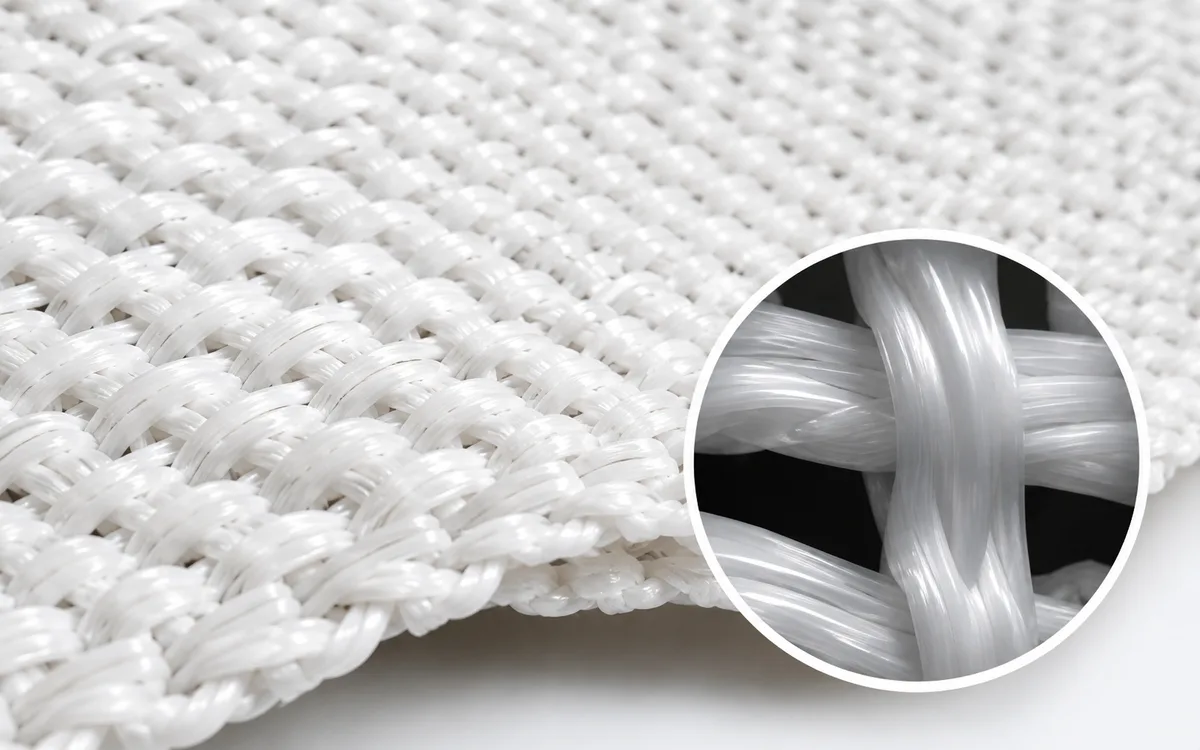
PP Multifilament
Value for MoneyBest choice for cost sensitive operations.
- Economical solution
- Good filtration rate and cake release
- Suitable for general dewatering applications
- Lower initial investment
- Ideal for budget focused projects
Lower upfront cost with reliable performance for everyday operations.
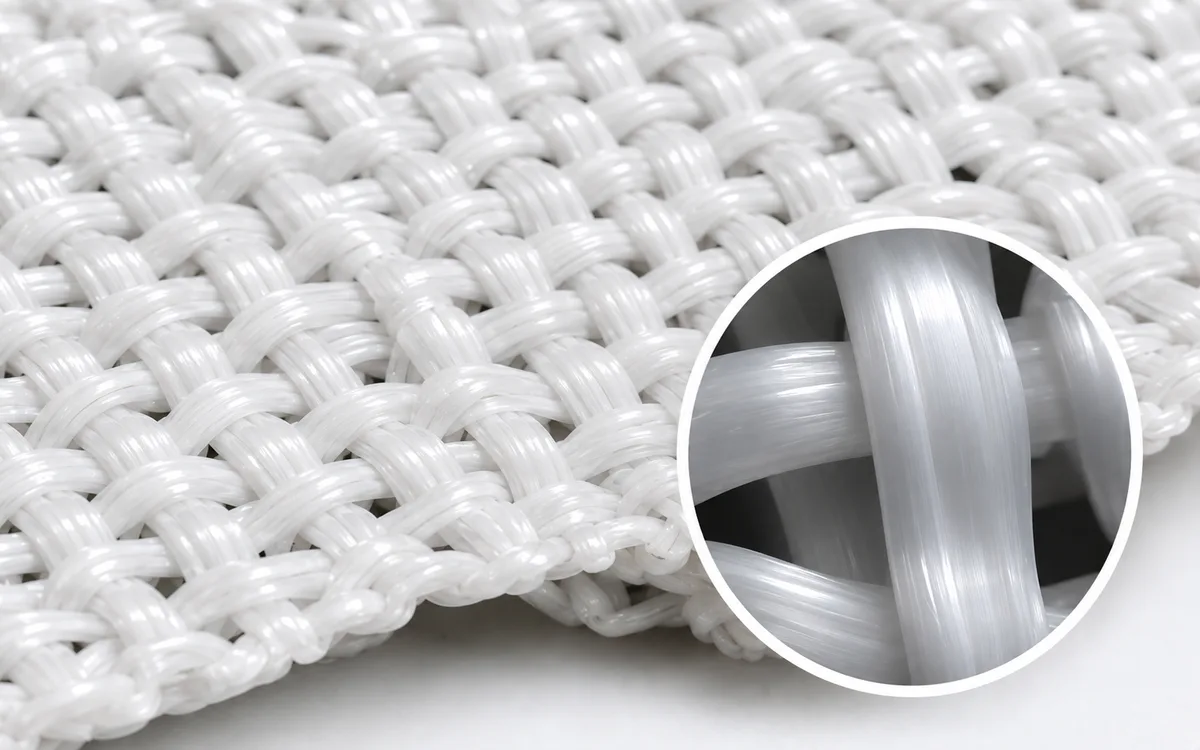
PP Monofilament
Premium PerformanceEngineered for long life and high efficiency.
- Higher permeability
- Excellent cake release
- Superior abrasion resistance
- Longer service life
- Reduced replacement and downtime
- Lower cost of ownership
Invest once, benefit longer with fewer replacements and higher plant availability.
Choose What Matters to You
Economical, Durable Cloths
Cut to Your Plate Drawing.
Economical PP Press Cloths for Sludge
Mono- and multifilament for chemical, biological and mixed sludge; sealed edges.
Filter press clothsGypsum & Iron-Sludge Cloths
Non-blinding faces for neutralisation and metal-hydroxide sludges.
Filtration fabricsGasketed (CGR) Cloths
Rubber-edged for leak-free presses on odorous or coloured sludge.
Filter press clothsNecks, Velcro & Eyelet Fittings
Reinforced feed necks and fixings for quick, safe changes on site.
Filtration made-upsYour Plant's Sludge
Has Its Own Page.
What DFR Brings to an ETP
Chemical Resistance
Withstands acids, alkalis and conditioning chemicals.
Excellent Cake Release
Smooth surface for easier cake discharge and less clogging.
Priced for the ETP Budget
Economical PP constructions built to last more cycles between changes.
Longer Service Life
Robust yarns and weaves for extended life even in demanding conditions.
Quick, Safe Changes
Reinforced feed necks and pre-fitted velcro or eyelet fixings.
Technical Support
Application expertise and after sales support at every step.
Drier sludge cake.
Lower disposal cost.
Tell us your press size, sludge type and conditioning chemistry. We will recommend multifilament or monofilament — and be straight with you about which one actually pays back on your plant.